What is the form C in income tax in singapore

Are you a business owner in Singapore feeling overwhelmed by tax season? 😓 You're not alone. Many entrepreneurs find themselves scratching their heads when it comes to Form C, a crucial component of income tax filing for companies in the Lion City.
Form C can seem like a daunting puzzle, with its myriad sections and complex requirements. But fear not! Understanding this form is essential for ensuring your business remains compliant and avoids costly penalties. Plus, mastering Form C can actually unlock potential benefits for your company.
In this blog post, we'll demystify Form C, breaking down its key components and guiding you through the filing process. We'll address common challenges you might face and reveal the hidden advantages of proper filing. So, whether you're a seasoned business owner or a startup entrepreneur, read on to turn your Form C confusion into confidence! 💪🏼

Get in Touch with Fairgood Advisors for Expert GST Filing and Accounting Solution
Understanding Form C in Singapore Income Tax
Definition and Purpose of Form C
Form C is a crucial document in Singapore's income tax system, specifically designed for companies to report their annual income. This comprehensive form allows businesses to declare their revenue, expenses, and other financial details to the Inland Revenue Authority of Singapore (IRAS). The primary purpose of Form C is to ensure accurate tax assessment and compliance with Singapore's tax regulations.
Who Needs to File Form C
Form C is mandatory for:
-
Companies incorporated in Singapore
-
Foreign companies with a permanent establishment in Singapore
-
Registered business trusts
However, certain companies may be eligible to file a simplified Form C-S if they meet specific criteria, such as having an annual revenue of S$5 million or less.
Differences Between Form C and Other Tax Forms
| Form Type | Purpose | Complexity | Eligible Entities |
|---|---|---|---|
| Form C | Comprehensive income reporting | High | All companies |
| Form C-S | Simplified income reporting | Medium | Small companies |
| Form B | Personal income tax | Low | Individuals |
| Form P | Employer's return | Medium | Employers |
Form C stands out due to its comprehensive nature, requiring detailed financial information and supporting schedules. Unlike Form B, which is for individual taxpayers, Form C is specifically tailored for businesses. It also differs from Form P, which focuses on employee remuneration rather than overall company income.

Key Components of Form C
A. Income Declaration Sections
Form C requires businesses to declare various types of income. This includes:
-
Revenue from main business activities
-
Other income sources (e.g., rental, interest, dividends)
-
Foreign-sourced income
It's crucial to accurately report all income to avoid potential penalties.
B. Deduction and Relief Categories
Form C allows businesses to claim various deductions and reliefs:
| Category | Examples |
|---|---|
| Business expenses | Salaries, rent, utilities |
| Capital allowances | Depreciation on fixed assets |
| Donations | Approved charitable contributions |
| Trade losses | Carried forward from previous years |
Proper documentation is essential for all claimed deductions.
C. Business Expense Reporting
Businesses must provide a detailed breakdown of their expenses:
-
Cost of goods sold
-
Operating expenses
-
Finance costs
D. Capital Allowances and Donations
This section covers:
-
Writing down allowances for qualifying assets
-
Balancing adjustments for disposed assets
-
Tax deductions for approved donations
Accurate reporting in these areas can significantly impact a company's tax liability.
Now that we've covered the key components of Form C, let's explore the filing process in detail.

Filing Process for Form C
Deadlines and submission methods
The filing process for Form C in Singapore is crucial for businesses to comply with income tax regulations. Companies must submit their Form C by November 30th each year, covering the previous year's income. IRAS offers two primary submission methods:
-
E-filing through myTax Portal
-
Paper filing (for eligible companies)
Required supporting documents
To ensure a smooth filing process, companies must prepare and submit the following documents along with Form C:
-
Financial statements
-
Tax computation
-
Detailed profit and loss statement
-
Balance sheet
| Document Type | Purpose |
|---|---|
| Financial statements | Provide an overview of the company's financial position |
| Tax computation | Calculate taxable income and tax payable |
| Profit and loss statement | Detail income and expenses |
| Balance sheet | Summarize assets, liabilities, and equity |
E-filing options and benefits
E-filing has become the preferred method for submitting Form C due to its numerous advantages:
-
Extended deadline (December 15th instead of November 30th)
-
Faster processing times
-
Reduced risk of errors
-
Immediate acknowledgment of submission
-
Convenient access to past filings
To e-file Form C, companies can use:
-
myTax Portal
-
API services (for larger businesses)
-
Tax preparation software
Now that we've covered the filing process, let's explore some common challenges businesses face when completing Form C.
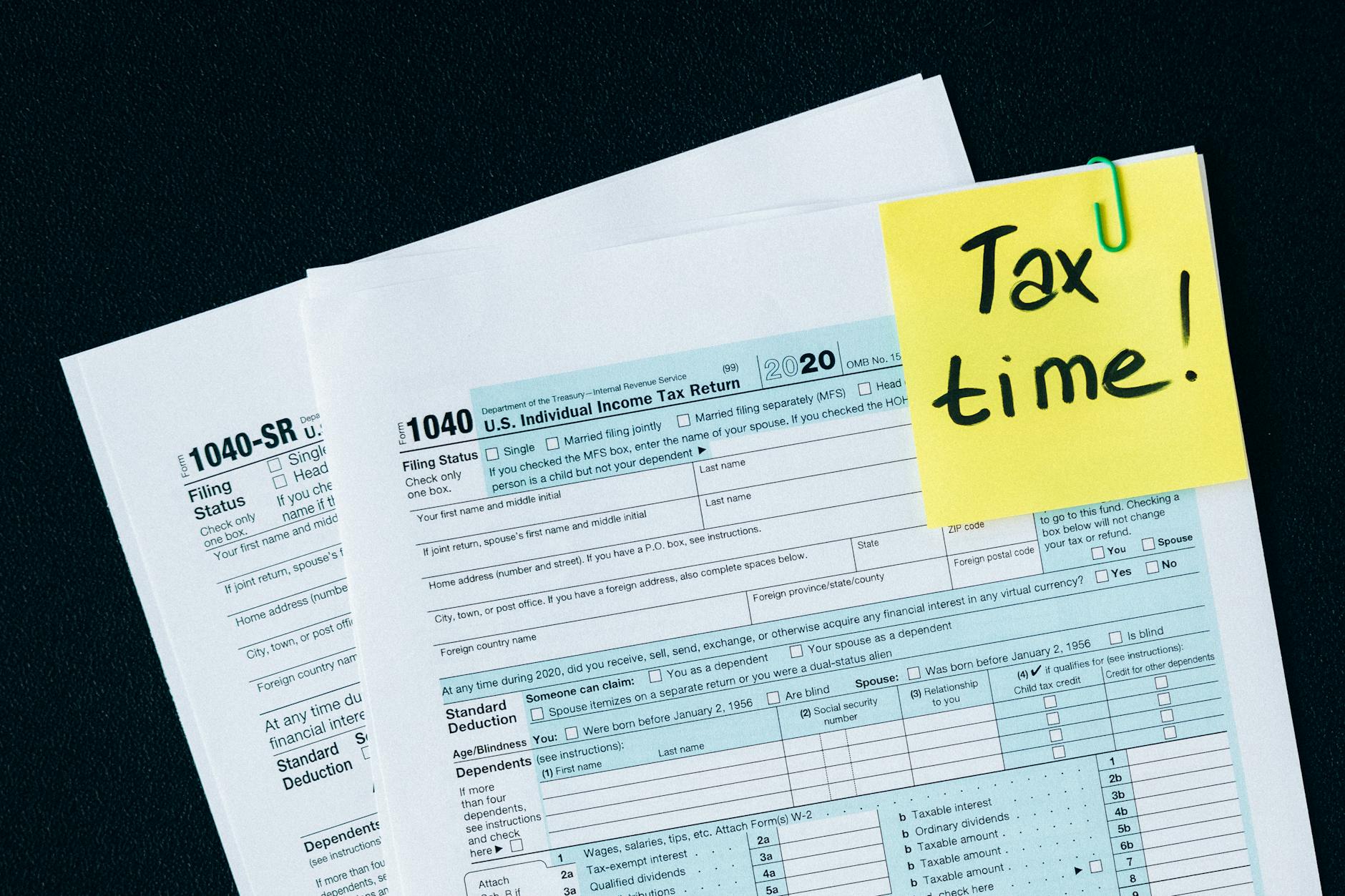
Common Challenges in Completing Form C
Filing Form C for income tax in Singapore can be a complex process, and businesses often face several challenges. Understanding these challenges can help you prepare better and ensure accurate reporting.
A. Complex financial calculations
One of the primary hurdles in completing Form C is the intricate financial calculations required. These calculations often involve:
-
Adjusting book profits
-
Computing capital allowances
-
Determining taxable income
To illustrate the complexity, consider the following table:
| Calculation Type | Description | Common Issues |
|---|---|---|
| Book profit adjustments | Modifying accounting profit for tax purposes | Overlooking non-deductible expenses |
| Capital allowances | Claiming depreciation on fixed assets | Incorrect asset classification |
| Taxable income computation | Determining final taxable amount | Errors in loss utilization |
B. Proper expense categorization
Accurately categorizing expenses is crucial for Form C. Misclassification can lead to:
-
Overpayment of taxes
-
Potential audits
-
Missed deduction opportunities
C. Accurate income reporting
Ensuring all income sources are correctly reported is vital. Challenges include:
-
Recognizing taxable vs. non-taxable income
-
Properly timing income recognition
-
Reconciling discrepancies between financial statements and tax reporting
D. Navigating tax deductions and reliefs
Understanding and applying various tax deductions and reliefs can be daunting. Key considerations include:
-
Identifying eligible deductions
-
Meeting specific criteria for each relief
-
Keeping proper documentation to support claims
Businesses must stay informed about the latest tax regulations to overcome these challenges effectively. Seeking professional advice or using reliable tax software can significantly simplify the Form C filing process.

Benefits of Properly Filing Form C
Filing Form C correctly brings numerous advantages to businesses in Singapore. Let's explore these benefits in detail:
A. Ensuring tax compliance
Properly filing Form C ensures your business remains compliant with Singapore's tax regulations. This compliance:
-
Maintains your company's good standing with IRAS
-
Demonstrates financial responsibility to stakeholders
-
Builds trust with potential investors and partners
B. Maximizing eligible deductions
Accurate Form C filing helps businesses take full advantage of available tax deductions:
| Deduction Category | Examples |
|---|---|
| Business Expenses | Office rent, utilities, employee salaries |
| Capital Allowances | Depreciation on equipment and machinery |
| Donations | Contributions to approved charities |
| Research & Development | Qualifying R&D expenditures |
C. Avoiding penalties and audits
Proper filing significantly reduces the risk of:
-
Late submission penalties
-
Fines for inaccurate declarations
-
Time-consuming and potentially costly tax audits
D. Streamlining business financial records
Regular and accurate Form C filing contributes to better financial management by:
-
Encouraging systematic record-keeping throughout the year
-
Providing a clear overview of the company's financial health
-
Facilitating easier preparation for future tax seasons
By prioritizing proper Form C filing, businesses not only fulfill their tax obligations but also position themselves for financial success and growth in Singapore's competitive business landscape.

Form C plays a crucial role in Singapore's income tax system for companies. This comprehensive form requires businesses to report their income, expenses, and other financial details accurately. By understanding its key components and following the proper filing process, companies can ensure compliance with tax regulations and avoid potential penalties.
Proper preparation and submission of Form C not only fulfills legal obligations but also provides valuable insights into a company's financial health. While challenges may arise during the completion process, seeking professional assistance or utilizing IRAS resources can help overcome these obstacles. Ultimately, accurate and timely filing of Form C contributes to a transparent and efficient tax system, benefiting both businesses and the Singapore economy as a whole.

.png)
Comments
Post a Comment